
How Safety Champion Software is Redefining Safety Management in 2026
Safety management is evolving rapidly, and in 2026 the difference between a compliant workplace and a high-performing one often comes down to the software behind it.
At Safety Champion Software, we are seeing a clear shift. Organisations are no longer satisfied with systems that simply log incidents or tick compliance boxes. They want connected, intelligent platforms that actively help prevent harm.
This is where modern safety management software needs to deliver.
Moving beyond incidents and audits
Incidents and audits remain essential, but they only tell part of the story. They focus on what has already happened.
Safety Champion Software is built to support what happens before an incident occurs. By enabling real time hazard reporting, dynamic risk management, and automated workflows, organisations can identify and act on risks earlier.
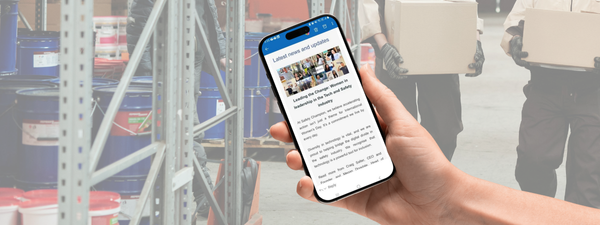
For example, a worker can log a hazard directly from site using a mobile device, triggering an immediate workflow that assigns actions, notifies relevant stakeholders, and ensures nothing is missed. This reduces delays and improves visibility across teams.
Instead of reacting to problems, organisations can start preventing them.
Why choosing the right safety software matters
One of the biggest reasons safety systems fail is lack of engagement. If the workforce does not use the system, it does not matter how many features it has.
Safety Champion Software is designed with usability at its core. The interface is simple, mobile-friendly, and aligned to how teams actually work day to day. Whether completing an inspection, logging a hazard, or closing out an action, the process is clear and efficient.
This focus on usability leads to higher adoption, better data, and ultimately stronger safety outcomes.
Connecting safety through integrated modules
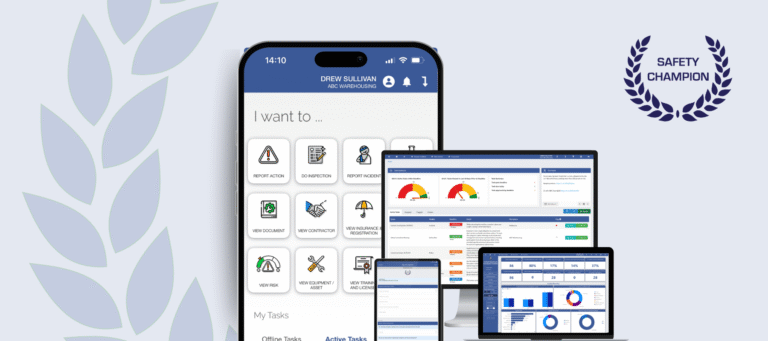
A common challenge in many organisations is fragmentation. Different processes sit in different systems, creating gaps in visibility and accountability. Safety Champion Software addresses this by bringing key safety functions into one connected platform.
Our risk management module allows organisations to maintain live risk registers that can be updated as conditions change. Risks are no longer static documents, but actively managed components of daily operations.
Hazard reporting is fully mobile and immediate, giving workers the ability to capture issues as they arise. This improves reporting rates and ensures hazards are addressed quickly.
Action management ensures accountability. Once an issue is identified, actions can be assigned, tracked, and escalated if required. Safety champions and managers can clearly see what is outstanding and what has been resolved.
Inspections and audits are streamlined through customisable digital checklists, helping teams maintain consistency across sites without paperwork.
We also support training and competency tracking, allowing organisations to manage inductions, licences, and qualifications in one place. This reduces the risk of non-compliance and ensures workers are job ready.
Contractor management is another key area, with the ability to manage onboarding, documentation, and compliance within the same system. This improves oversight and reduces administrative effort.
Driving engagement across the workforce
Strong safety outcomes depend on participation at every level of the organisation.
Safety Champion Software is designed to make engagement easy. Mobile reporting, automated notifications, and clear feedback loops ensure that workers remain involved in the process.
When someone reports a hazard and sees that it has been actioned, it reinforces trust in the system. Over time, this builds a culture where safety is actively supported, not just enforced.
What sets Safety Champion Software apart in 2026
Advanced safety software is not about complexity. It is about connection, clarity, and usability.
Safety Champion Software brings together risk management, hazard reporting, inspections, training, contractor management, and action tracking into one platform. This reduces duplication, improves visibility, and ensures that nothing falls through the cracks.
As organisations continue to mature their safety approach, having a system that supports both compliance and proactive risk management is no longer optional.
Final thoughts
In 2026, safety management software should do more than record incidents. It should actively help prevent them.
Safety Champion Software is built to support this shift, giving organisations the tools they need to engage their workforce, manage risk effectively, and continuously improve safety performance.
For safety champions, this is an opportunity to lead meaningful change and deliver measurable results.
FAQs
1. What makes Safety Champion Software different from other safety management systems?
Safety Champion Software goes beyond basic incident and audit tracking by providing a fully integrated safety management platform. It connects key functions such as hazard reporting, risk management, inspections, training, and contractor management in one system. This allows organisations to move from reactive reporting to proactive risk prevention, supported by real time data, mobile accessibility, and automated workflows that improve accountability and visibility across teams.
2. What features should safety management software include in 2026?
In 2026, effective safety management software should include more than core compliance tools. Organisations should look for features such as mobile hazard reporting, live risk registers, automated action tracking, customisable inspections, and integrated training and contractor management.
Safety Champion Software delivers these capabilities in a single platform, helping organisations simplify processes, reduce administrative burden, and ensure safety data is easily captured, managed, and actioned.
3. How does Safety Champion Software improve workplace safety outcomes?
Safety Champion Software improves safety outcomes by making it easier for workers to report hazards, for managers to manage risks, and for organisations to act on data.
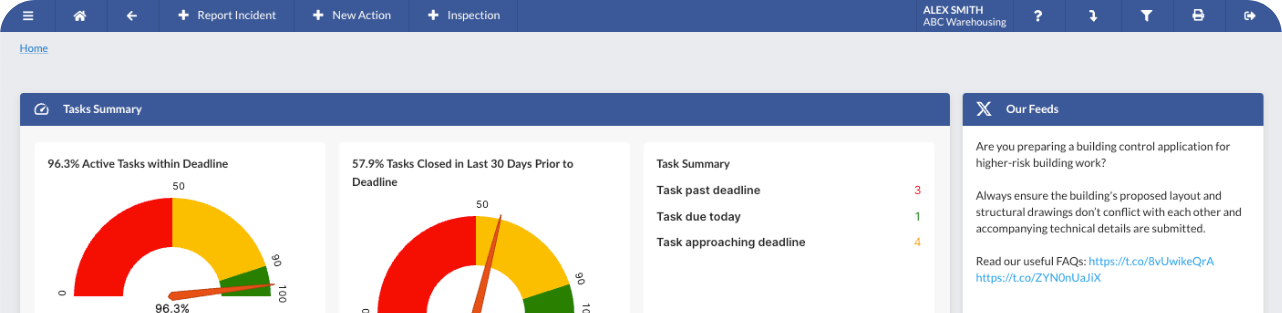
For example, hazards can be reported instantly from site, triggering workflows that assign actions and track completion. At the same time, dashboards provide visibility into trends and recurring risks, allowing safety champions to intervene earlier and focus on prevention.
By increasing engagement, improving data quality, and ensuring accountability, the platform supports continuous safety improvement across the organisation.