Safety Champion Software is proud to sponsor the Champion of Safety Awards at the Workplace Health and Safety Shows across Melbourne, Sydney and Brisbane, celebrating the individuals driving meaningful change in our industry.
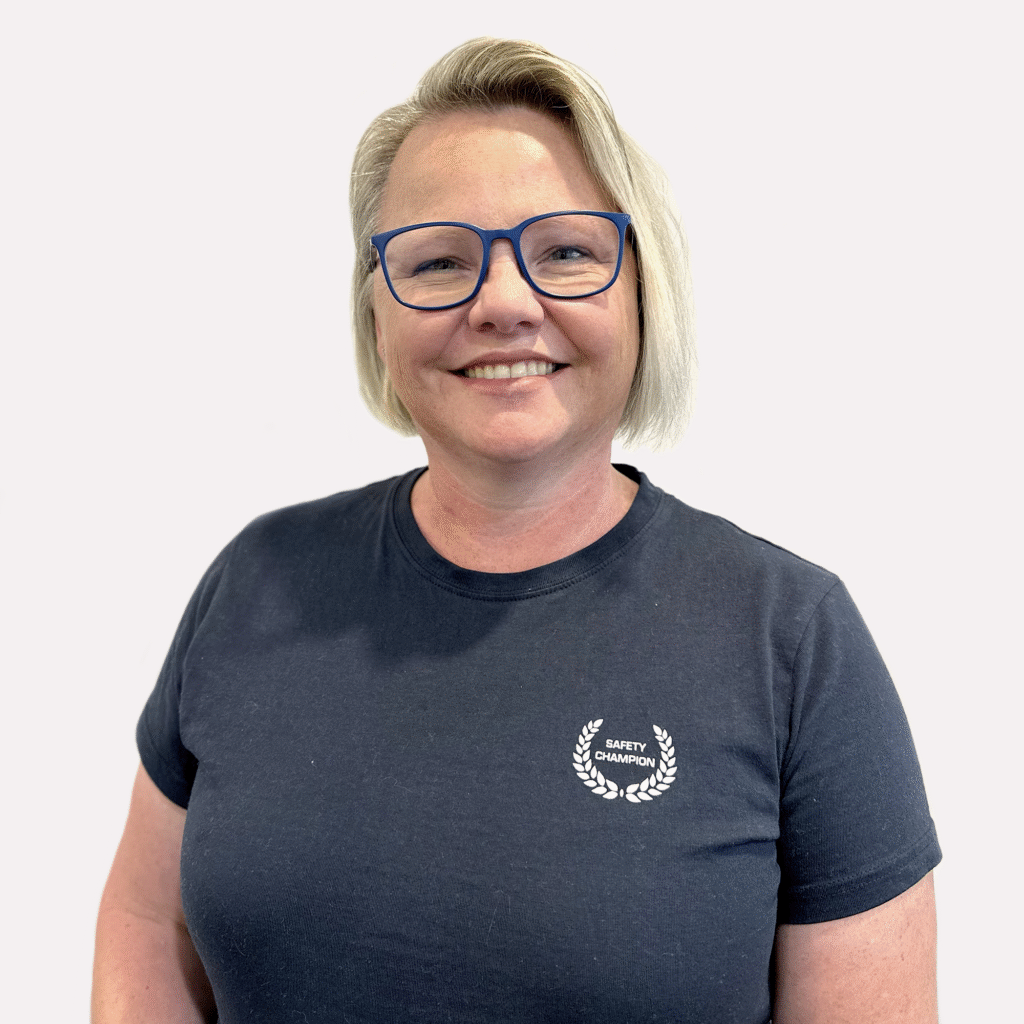
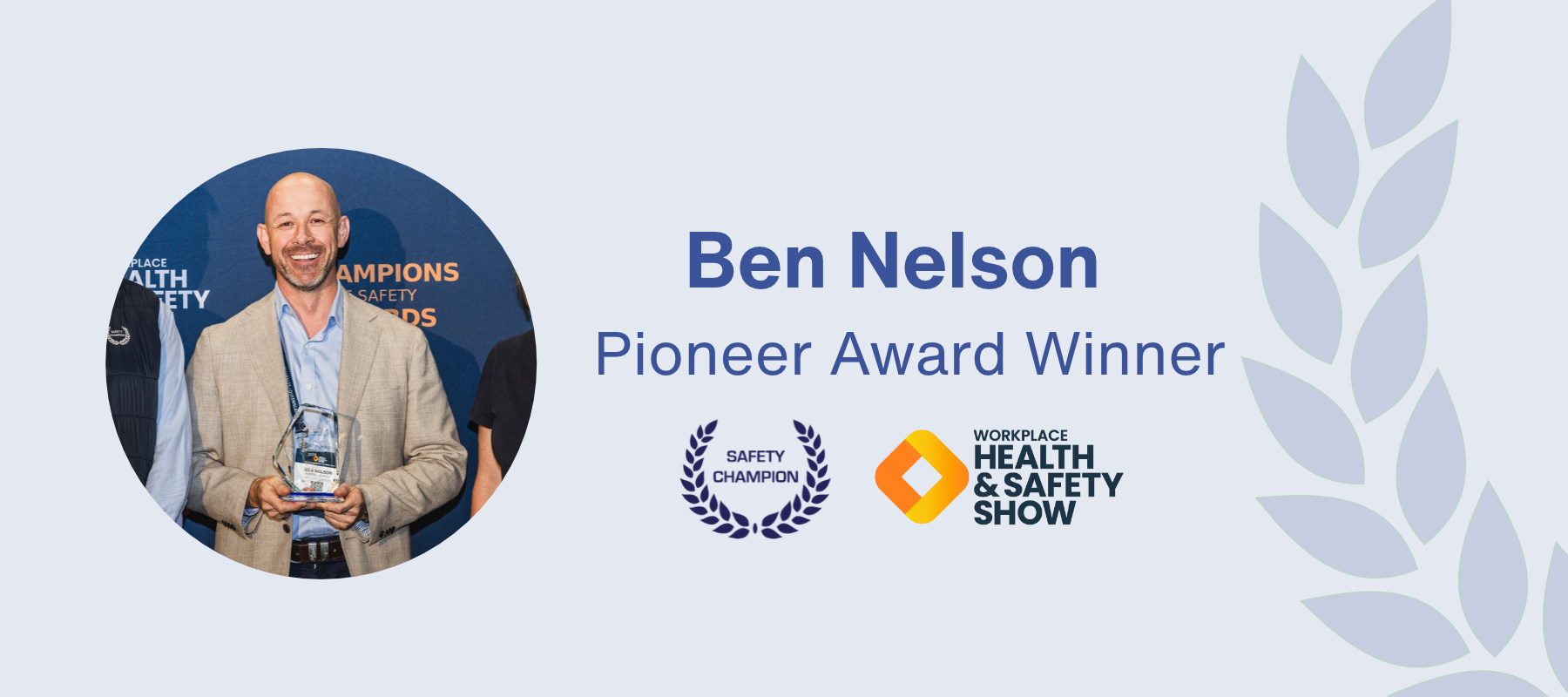
At this year’s Sydney event, we were delighted to present the Pioneer Award to Ben Nelson. Ben is making a significant impact in the WHS space, bringing a wealth of expertise and a strong commitment to improving safety outcomes.
These awards recognise the passion, innovation and leadership shaping the future of workplace safety, and we’re honoured to support and celebrate these achievements.
Read our interview with Ben below to learn more about his journey and insights.
What did the Champions of Safety Awards mean to you?
Being nominated was genuinely meaningful because I’ve always believed safety is something we create together, not something owned by a safety team or any one person. For me, the recognition reflects the people I work alongside every day who are willing to speak up, challenge how we do things, share their experiences and look out for each other. I’m proud to play a part in creating an environment where people feel heard, where we learn from what happens, and where those conversations lead to meaningful improvements in how we work.
How did you first get “into” the health and safety industry?
I started my career as a paramedic, working in high-risk and austere environments. That experience gave me a very different introduction to safety. I was often there at the end of the chain of events, dealing with the consequences after someone had been seriously hurt.
There’s only so long you can watch people getting hurt in similar ways before you start asking what could have happened differently upstream. Eventually, I decided to move myself to the other side of the bow tie, if you will, and focus more of my energy on prevention rather than reaction.
Paramedicine taught me a lot about mechanisms of injury, the chain of events that leads to harm, and the many agencies and people involved when things go wrong. It also taught me that experience doesn’t make someone immune to risk. Some of the people I treated were the “old and bold”, people with years of experience who had probably done the task many times before.
That has stayed with me throughout my safety career. It shaped my belief that good safety isn’t simply about telling people to be careful or follow the rules. It’s about understanding how work is really done, what can set people up for success or failure, and putting our effort into preventing serious harm before someone needs a paramedic.
Can you tell us about your role and what you do in workplace safety?
Today, I lead Safety and Wellbeing across across First & Last Mile network of Australia Post. First & Last Mile alone is around 15,500 people, including approximately 6,800 posties out on the road every day, covering around 285,000 kilometres. At that scale, safety has to work in the real world, not just on paper.
A big part of my role is connecting the reality of frontline work with how we understand and manage risk. That means listening to our people, understanding how work is actually done, where people are having to adapt, and where the potential for serious harm exists. Then it’s about working with leaders and teams to make sure the organisation responds with practical, effective controls.
I’m also passionate about learning. Not just investigating when something goes wrong, but understanding why work goes right most of the time, what our people are doing to make that happen, and where the system can better support them.
In many ways, it brings my career full circle. As a paramedic, I worked at the consequence end of the bow tie. Today, I put my energy into the prevention side, trying to make sure fewer people ever reach the other side.
What advice would you give to organisations trying to sharpen their safety responsibilities?
My advice would be to start by getting really clear about who owns the risk. We often hear that “safety is everyone’s responsibility”, and there is truth in that, but it can also become so broad that accountability becomes blurred. Everyone has a part to play, but leaders and organisations have specific responsibilities that can’t be delegated away.
Then get closer to the work. Understand the difference between how work is imagined and how it is actually done. Listen to the people doing the job, understand where they have to adapt, and involve them in designing controls that work in the real world.
I’d also encourage organisations to look beyond injury rates as their measure of safety. Ask whether the critical risks are understood, whether the controls that matter most are actually present and effective, and whether leaders know when those controls are beginning to degrade.
For me, sharpening safety responsibility ultimately means clarity of accountability, curiosity about how work really happens, and acting on risk before someone gets hurt.
What is next for your in your safety journey?
I’m not sure there is a finish line in safety, and that’s probably what keeps me interested in it.
I started my career treating people after something had gone wrong. My move into safety was about getting to the other side of the bow tie and focusing on prevention. The next part of that journey for me is moving further upstream again, understanding the conditions that create risk before there is an incident to investigate.
I want to keep learning from the people who actually do the work, challenge some of our traditional thinking about safety, and explore how better data, technology and contemporary approaches can help us see risk differently. But I also think we need to be careful not to chase the latest idea at the expense of the fundamentals.
The goal for me hasn’t really changed: fewer people experiencing the kind of harm I used to see as a paramedic. I just want us to get better at seeing it coming.